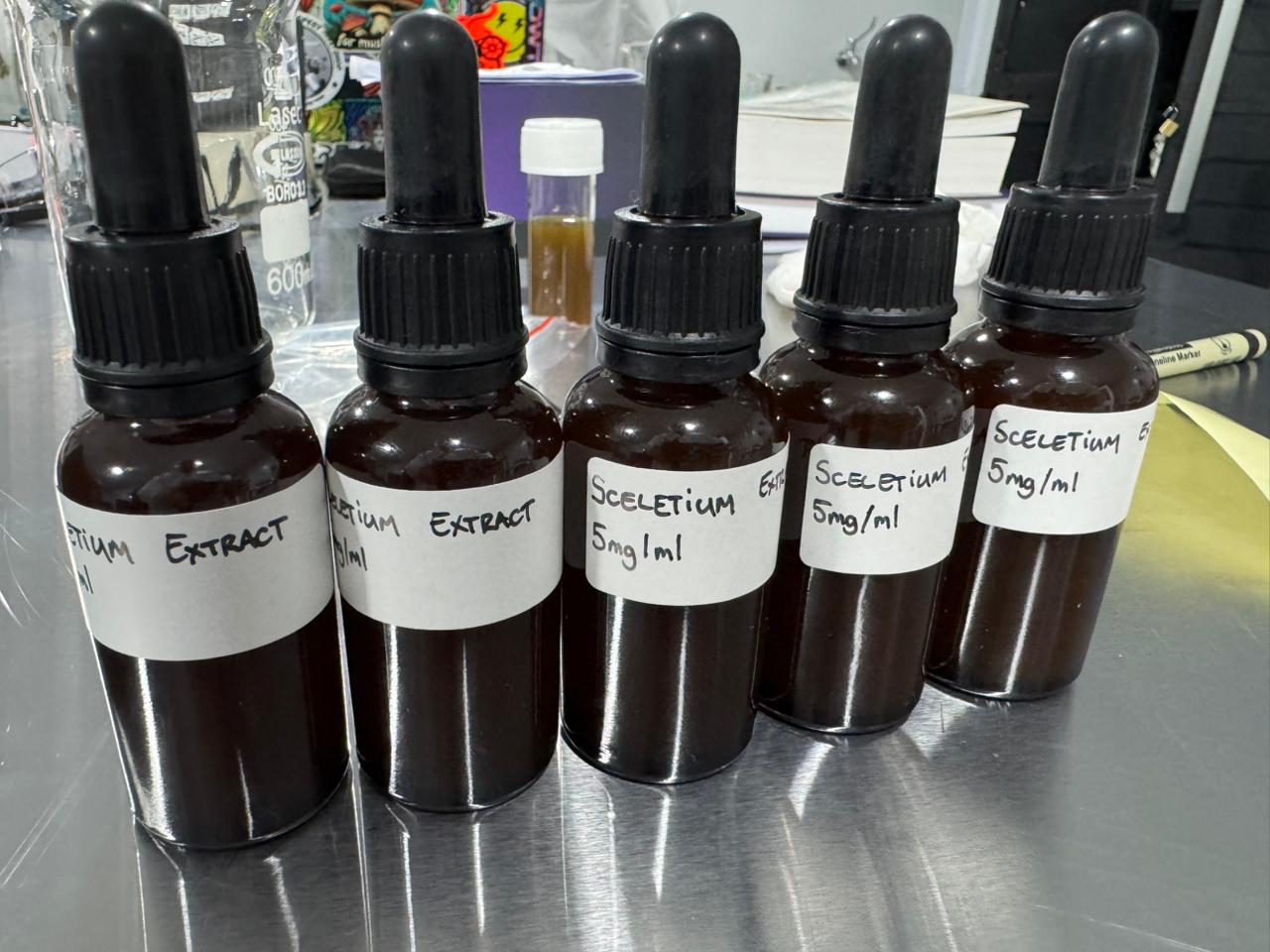
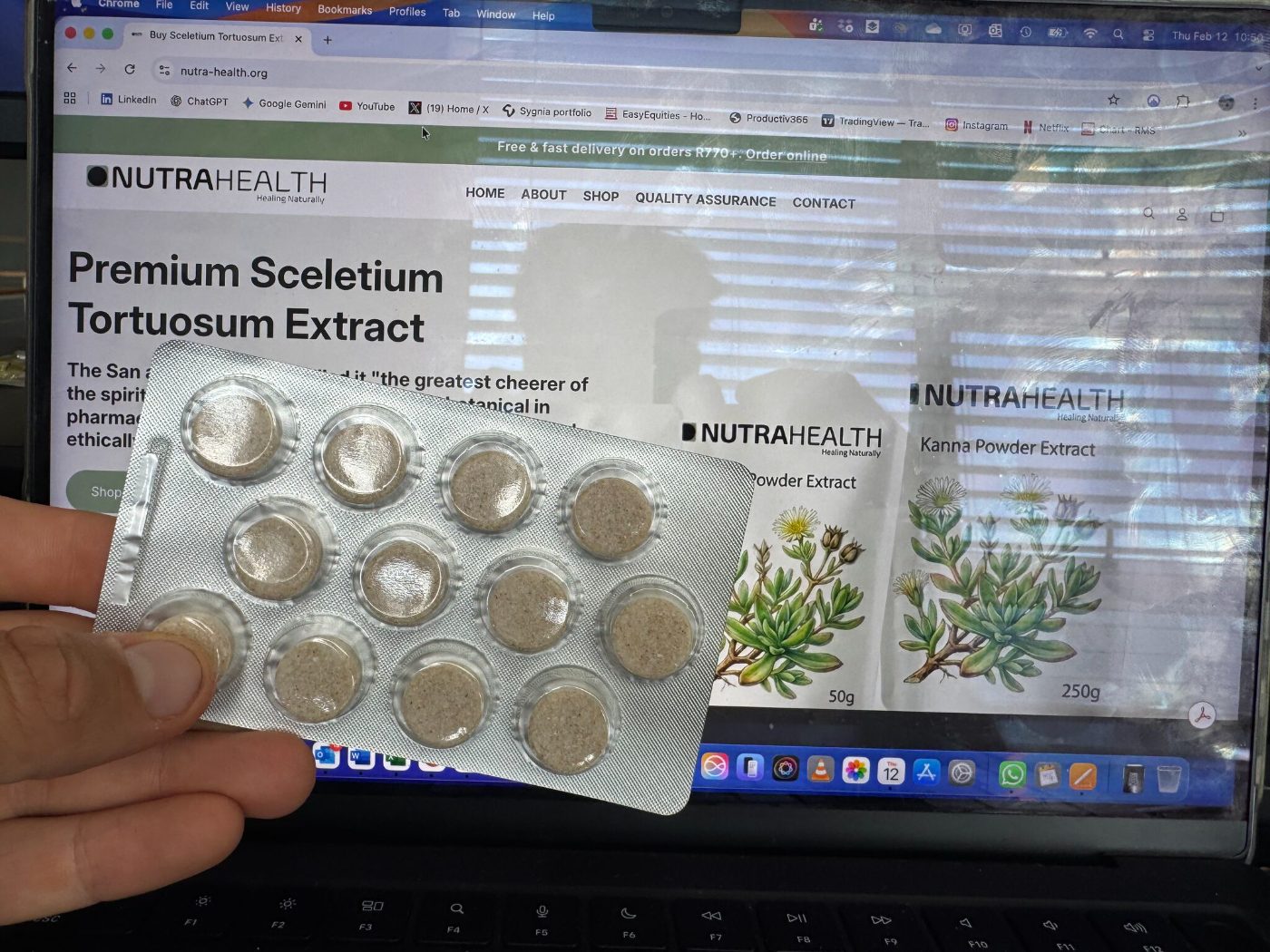
Nutra Health is a Cape Town company that produces pharmaceutical-grade Sceletium tortuosum — a South African plant also known as kanna, traditionally used for mood and cognitive support. A subsidiary of GES Labs, it supplies standardised extracts and powders to product developers, compounding pharmacies and wellness brands across South Africa, the United States and Australia. Everything it sells rests on ethical sourcing, third-party testing, and benefit-sharing agreements with the San people, who have used the plant for more than 1,600 years.
A plant most buyers had never heard of
Sceletium tortuosum has been part of San and Khoi life for over 1,600 years. To most of the wellness market, it is brand new. That is the puzzle Nutra Health set out to solve: how do you sell an ingredient almost no one has heard of, and that you are not legally allowed to make health claims about?
The answer was education. Because Sceletium is not registered as a pharmaceutical, Nutra Health can only build demand by teaching people what it is, how it works, and why purity matters. Every post has to inform before it can ever sell. For a small company, that is a heavy lift — posting had to happen often enough to build familiarity, and accurately enough to earn trust in a field crowded with what Marc Lewis calls the industry's "cowboys." Before Willow, that rhythm did not exist. A burst of posts would go out, then months would pass with nothing.
One person, one more thing to own
Marc runs Nutra Health's commercial side on his own. The pharmaceutical business next door has full teams and momentum. The Sceletium venture has Marc.
Social media is the kind of task that slips when one person carries everything. Marc needed a system that produced good content on a schedule, so consistency did not depend on him finding a spare hour. That is why Nutra Health chose Willow. Instead of a blank posting tool, Willow Create drafts a two-posts-a-week calendar from Nutra Health's own material, and a content coach, Henrieke, helps Marc shape the strategy. Marc reviews each post, adjusts the science, and publishes — and the habit holds even in the weeks when the rest of the business is loud.
Turning sporadic posts into a weekly habit
The plan was simple and deliberate: two posts a week, every week. LinkedIn carries the B2B message to product developers and compounding pharmacies. Facebook and Instagram speak to consumers. Tuesdays lean educational, Thursdays add a lighter angle — always inside the rules Sceletium has to follow.
Willow Create now drafts the posts from Nutra Health's website and documents, so the tone stays Marc's and the facts stay straight. It also generates clean, simple visuals, which removed a real bottleneck.
What three months of consistency did
Once the rhythm held, the numbers moved. Over the last 90 days on LinkedIn, Nutra Health's company page pulled in 6,536 impressions, up 85% on the previous quarter, lifted engagement by 74%, and added 74 followers — up 22% in a niche, technical field. None of it came from advertising. Every result is organic.
And the curve is steepening. In the last 30 days alone, impressions rose 97% and engagement 277% against the month before: the strongest stretch yet. That jump lines up with Willow Create taking over the first draft — a full week of content now takes Marc minutes to approve instead of hours to assemble. The easier it became to publish, the more consistently the feed got fed.
Consistency turned a quiet feed into compounding, organic growth.
What the numbers unlocked
For a company introducing an unfamiliar plant, those figures are more than vanity. A consistent, science-led feed gives serious buyers something credible to find when they go looking. The thousand-plus clicks are people opening a carousel, following a link, or tapping to read more. The growing follower base is an audience that did not exist a few months ago.
The benefit is practical too. Marc spends less time hunting for images and wording posts from scratch, and more time on the parts of the business only he can do. The channel finally feels like something he owns rather than something chasing him.