
What hashtags still do, what each platform took away, and how many are worth adding to a post.
Hashtags used to be a place you could go. You followed #marketing, the platform built you a feed out of it, and dropping the right tag on a post put it in front of people who had never heard of you. Between late 2024 and the end of 2025, LinkedIn, Instagram and X each took that machinery apart.
What's left is a label. A hashtag tells a platform and a reader what a post is about, and that is close to the whole of it. For a small business the practical answer is now one or two descriptive tags, sometimes none, and a lot more attention on the first two lines of the post. Below is what changed on each platform, with dates, because almost none of the old advice survived it.
What a hashtag does now
A hashtag is still a word or phrase joined with a # that turns into a link, and tapping it still returns search results for that term. That part works on every platform.
Everything built on top of it is what went. Following a hashtag is gone. The feed pages behind those follows are gone. On LinkedIn, the suggestions that used to appear while you typed a post have been withdrawn too. What the platforms read instead is the post: the words you wrote, the subject you wrote about, and who you are. A tag is one more signal in that pile, and a weak one.
LinkedIn said as much in July 2025. Rishi Jobanputra, one of its senior product leaders, said the feed algorithm had “really evolved” since hashtags were introduced, and that where tags still help is someone searching for a specific topic. Adam Mosseri, who runs Instagram, has given the same answer for years: hashtags “do help us to understand what a post is about”, but they are not a way to get more distribution. Asked again in February 2025 whether hashtags work for reach, his answer was no. Both descriptions point at the same thing. A hashtag is a filing label: worth something when a person goes looking, worth close to nothing when nobody does.
What changed on each platform
In late 2024 LinkedIn withdrew the follow button on hashtags, the hashtag feed pages behind it, and the tag suggestions that used to appear while you typed a post. In July 2025 Jobanputra confirmed the direction: hashtag feeds were being phased out because few people used them, and the feed algorithm no longer needs tags to work out what a post is about.
The company used to publish a hashtag best-practices guide recommending a maximum of three. It is no longer publicly available, and LinkedIn has not replaced it with a number. A working rule in its absence: one or two tags that name your actual subject, at the end of the post.
Instagram went further than LinkedIn, and it went further on the numbers. Following a hashtag stopped working on 13 December 2024. A year later, on 18 December 2025, Instagram began capping captions at five hashtags on both posts and reels, having tested a limit of three first. Its stated reasoning was that a few targeted tags do more for a post than a long list of generic ones.
Thirty hashtags is no longer a strategy. It is no longer possible. Any advice built on filling the caption, including the old standbys of eight tags or twenty-two, describes a version of Instagram that stopped existing in December 2025. Five is the ceiling, specific beats broad, and the job they do is helping someone searching rather than lifting your reach.
X
X is the clearest case of the three. On 17 December 2024 Elon Musk told users to stop adding hashtags, saying the system no longer needed them and that they looked ugly. On 26 June 2025 he went further and banned them from ads, starting the next day. Organic posts can still carry them and they still work as search terms, but the platform's own direction is unambiguous.
X's newest way to follow a subject confirms the direction. Custom Timelines, launched in April 2026 for Premium subscribers, sort posts into topic feeds by having X's AI, Grok, read each one, and X told TechCrunch they “aren't based on traditional signals like keywords or hashtags”. If you post on X, write the subject into the post and skip the tags.
How many hashtags, and which ones
One rule now covers LinkedIn, Instagram and X alike: use the fewest tags that accurately name the subject, and put them at the end of the post. In practice that is one or two on LinkedIn, five at most on Instagram, and none on X.
Picking them is simpler than it was, mostly because the two old methods stopped working. Choosing a hashtag by follower count assumed a hashtag page with followers on it, and LinkedIn removed both the page and the count. Hunting for an Instagram tag with between 100,000 and 500,000 posts assumed reach followed volume, which Instagram's own head says it does not.
What works instead is plain description. Write the tag a client would type into a search box if they were looking for what you do, which usually means narrower than feels comfortable. For an accountancy practice in Antwerp, a tag naming the specialism and the region beats #accounting by a wide margin, not because the numbers behind it are better but because the few people searching it are the ones you want.
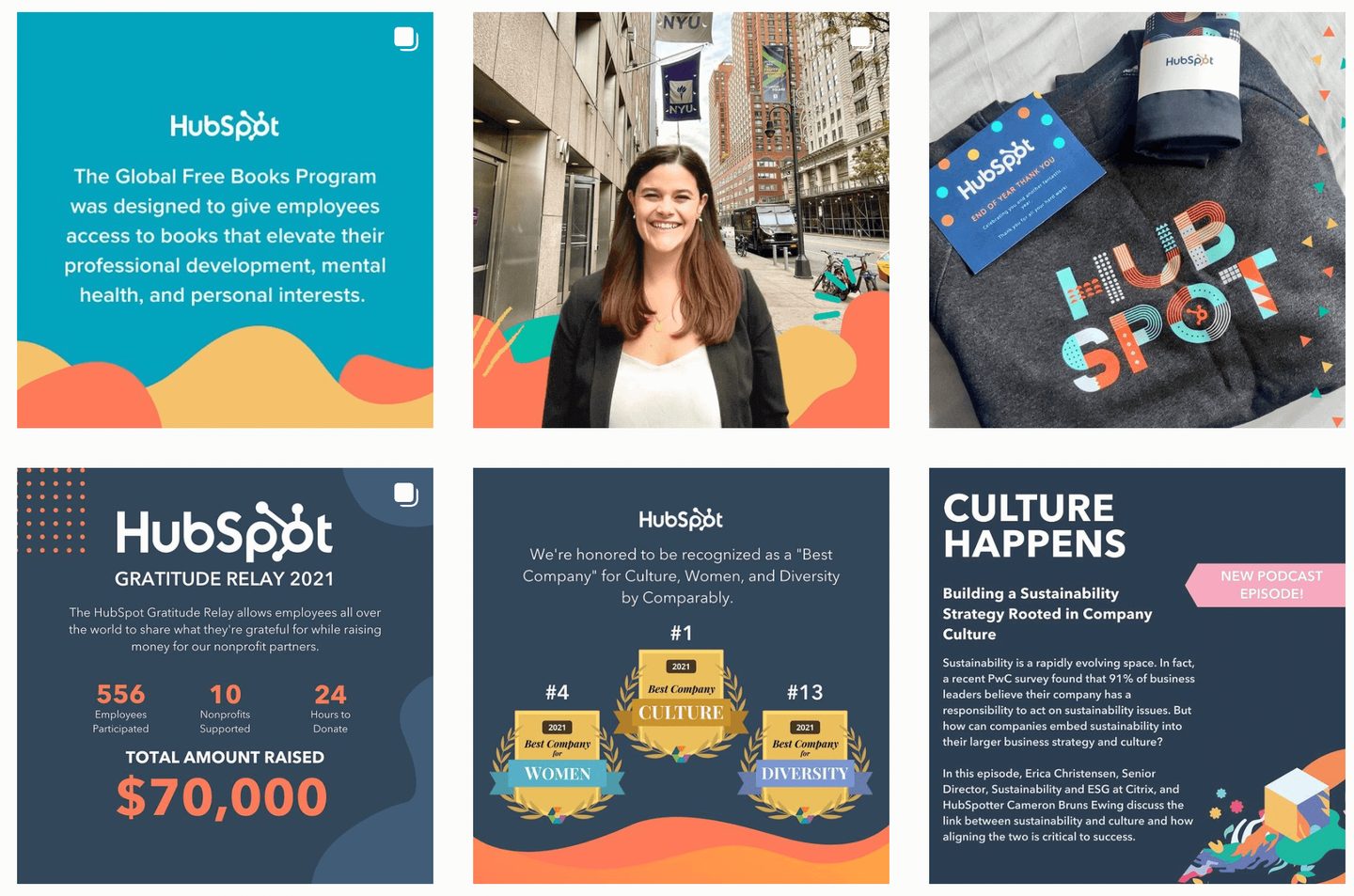
A branded hashtag is the one case where a tag still does real work, and it works for a different reason: you are the one sending people to it. HubSpot's employer brand has used #hubspotlife for years to gather employee photos in one place, and the same mechanic still works for a hiring campaign, an event, or a client community you want to be able to point at.
Say the subject in the post
Every platform that pulled its hashtag machinery apart replaced it with the same thing: reading the post. LinkedIn says its feed no longer needs tags to know what a post is about. Instagram says a tag helps it understand a post but won't bring it distribution. X's newest topic feeds are built by an AI reading every post. The first two lines of a post now carry the weight a list of tags used to pretend to carry.
That turns getting found into a writing problem. Name the subject early, in the words your audience uses, and be specific about which industry, which problem, which decision. A post opening with "three questions to ask before you switch accountants" is filed correctly by every platform and by every reader, with or without a tag underneath it.
Consistency of subject does the rest. A platform builds a clearer picture of what you cover when your posts keep returning to the same handful of topics, which is an argument for deciding those topics in advance rather than writing whatever is to hand on a Thursday afternoon.
Conclusion
Hashtags went from a distribution channel to a filing label in about a year, and most guidance published before 2025 still describes the old version. The new one fits in a line: one or two descriptive tags on LinkedIn, five at most on Instagram, none on X, and a branded tag when you are actively collecting posts under it.
Everything else moved into the post itself. What a platform needs in order to put your work in front of the right people is a clear subject, stated early, in language your clients would recognise, repeated often enough to read as a pattern. That is harder than picking tags, which is probably why hashtag guides have outlived hashtags.